


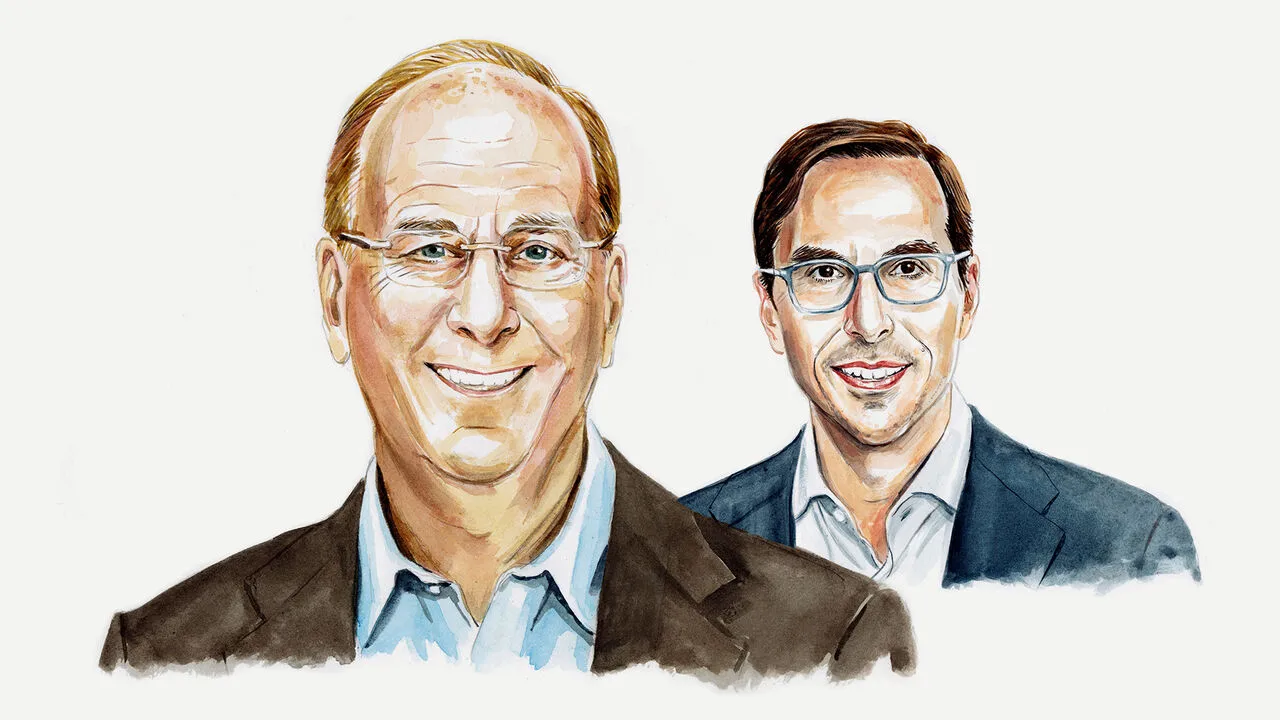
Fifty years ago, money moved at the speed of mail. When Larry Fink began his career in 1976, trades were placed over the phone and settled with paper certificates delivered by courier. The introduction of SWIFT in 1977 revolutionized finance by standardizing electronic messaging between banks, reducing settlement times from days to minutes. Today, trades between New York and London execute in milliseconds. Yet, Fink and Goldstein argue that tokenization represents the next great leap forward.
Tokenization refers to the process of representing ownership of assets—whether stocks, bonds, real estate, or even art—on digital ledgers powered by blockchain technology. Unlike traditional systems, tokenization allows transactions to be recorded, transferred, and settled instantly, with transparency and security built into the infrastructure.
Why Tokenization Matters
Larry Fink, CEO of BlackRock, and Rob Goldstein, the firm’s COO, describe tokenization as being at the same stage as the internet in 1996. “If history is any guide, tokenization today is roughly where the internet was in 1996—when Amazon had sold just $16m-worth of books, and three of the rest of today’s ‘Magnificent Seven’ tech giants hadn’t even been founded,” they wrote in The Economist.
The implications are vast:
- Efficiency: Tokenization could eliminate costly intermediaries, reducing settlement times from days to seconds.
- Transparency: Digital ledgers provide real-time visibility into asset ownership and movement.
- Accessibility: Fractional ownership of tokenized assets could democratize investment opportunities, allowing smaller investors to participate in markets traditionally reserved for institutions.
Challenges Ahead
Despite its promise, tokenisation faces hurdles. Fink and Goldstein caution that robust regulatory frameworks are essential to protect investors and ensure stability. “This innovation needs guardrails that clearly protect buyers to make tokenised assets transparent and safe,” they emphasized.
Moreover, interoperability between traditional financial institutions and blockchain-based platforms remains a challenge. As they put it, tokenisation should be seen as “a bridge being built from both sides of a river” — linking established banks and asset managers with fintech startups and crypto innovators.
Perspectives from the Industry
Other financial leaders echo this optimism. BlackRock already manages the world’s largest tokenised cash market fund, worth $2.8 billion. Analysts suggest that tokenization could eventually underpin everything from cross-border payments to real estate transactions, much as SWIFT became the backbone of global banking.
Yet, skepticism persists. Regulatory uncertainty, cybersecurity risks, and the need for global standards could slow adoption. The question is not whether tokenization will reshape finance, but how quickly and under what rules.
A Financial Revolution in Waiting
Ledgers haven’t been this exciting since the invention of double-entry bookkeeping. Just as SWIFT transformed finance in the late 20th century, tokenization could define the 21st. If Fink and Goldstein are right, the financial world is on the cusp of a transformation that will make today’s millisecond trades look quaint.
The challenge now lies in balancing innovation with regulation, ensuring that tokenization fulfills its promise of efficiency, transparency, and inclusivity without undermining stability. For investors, policymakers, and everyday savers, the question is no longer if tokenization will arrive—but when and how prepared we will be.
Sources: Crypto Briefing Cryptopolitan hodlfm BlackRock Cointelegraph



Leave a Reply
You must be logged in to post a comment.